

Stephen King, often referred to as the “King of Horror,” is a literary powerhouse whose name is synonymous with gripping storytelling, spine-chilling suspense, and vivid characterizations. Since the release of his first novel, Carrie, in 1974, King has built an extraordinary legacy, penning over 60 novels and more than 200 short stories that have defined and redefined genres. His works transcend the boundaries of traditional horror, delving into realms of fantasy, science fiction, psychological thrillers, and even deeply emotional dramas. This versatility has earned him not only legions of devoted fans but also critical acclaim.
King’s ability to weave the extraordinary into the mundane is one of his greatest strengths. He takes familiar settings—small-town America, suburban neighborhoods, and isolated landscapes—and injects them with a supernatural or sinister undercurrent. This juxtaposition makes his stories both relatable and deeply unsettling. Whether it’s a demonic clown haunting the sewers of Derry, Maine, or an apocalyptic showdown between good and evil, King’s stories resonate because they are deeply human, even when dealing with otherworldly horrors.
To understand King’s impact and range as a writer, one must explore the key themes that permeate his work. He masterfully examines fear—both the primal kind lurking in the dark and the more psychological fears stemming from isolation, grief, or guilt. He also explores complex moral dilemmas, the power of love and friendship, and humanity’s resilience in the face of unthinkable adversity. His prose can be poetic, his characters unforgettable, and his imagination boundless.
With such an expansive bibliography, deciding where to begin can be overwhelming, particularly for new readers. Below, we offer a curated list of ten must-read books by Stephen King that represent the breadth and depth of his storytelling prowess. These works showcase his ability to terrify, move, and inspire, making them essential for fans and newcomers alike. From haunting ghost stories to sprawling epics, these novels are a testament to why King remains a master of modern fiction.
 1. The Shining (1977)
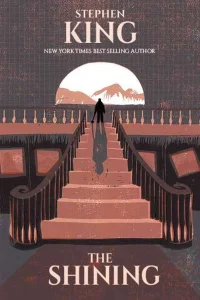
Setting the Standard for Haunted Houses
The Shining is often hailed as one of Stephen King’s most iconic and enduring works, setting a high bar for psychological and supernatural horror. More than just a ghost story, it is a deeply layered exploration of human frailty, isolation, and the malevolent influence of an environment steeped in evil. Published in 1977, the novel catapulted King into mainstream success and firmly established him as a master storyteller.
Plot Overview
The story revolves around Jack Torrance, an aspiring writer and recovering alcoholic, who accepts a position as the winter caretaker of the Overlook Hotel, a sprawling and remote establishment nestled in the Colorado Rockies. Jack sees the job as a chance for a fresh start with his wife, Wendy, and his young son, Danny. As the hotel becomes snowbound, cutting the family off from the outside world, the sinister forces lurking within the Overlook begin to reveal themselves. The story escalates as Jack succumbs to the hotel’s malevolent influence, jeopardizing his family’s safety in a harrowing descent into madness.
Themes and Analysis
- Isolation and Its Psychological Effects
The snowbound Overlook Hotel becomes a physical and emotional prison for the Torrance family. King masterfully portrays the crushing psychological toll of isolation, particularly on Jack, whose tenuous grip on sobriety and sanity begins to unravel. The isolation not only amplifies Jack’s inner demons but also allows the hotel’s supernatural forces to exert their influence. - Alcoholism and Family Dynamics
Jack’s struggle with alcoholism is a central theme, mirroring King’s own battles with addiction during his early career. The novel explores the corrosive effects of substance abuse on Jack’s psyche and its devastating impact on his family. Through Jack, King portrays a man torn between his desire for redemption and his susceptibility to destructive impulses. - Supernatural Malevolence
The Overlook Hotel is as much a character as any of the Torrances. Its dark history—marked by murders, suicides, and tragedies—imbues it with a palpable sense of evil. The hotel preys on its occupants, particularly Jack and Danny, exploiting their vulnerabilities. Danny’s psychic abilities, referred to as “the shining,” make him both a target and a conduit for understanding the Overlook’s horrifying secrets. - The Fragility of Sanity
King’s portrayal of Jack’s mental deterioration is both compelling and terrifying. Jack begins as a flawed but well-meaning man, desperate to provide for his family and prove himself as a writer. As the hotel tightens its grip, Jack’s gradual descent into madness is rendered with chilling authenticity.
Legacy and Impact
The Shining has transcended its genre, influencing countless haunted house stories and psychological horror tales. The novel’s themes of familial breakdown, addiction, and madness resonate universally, making it more than just a horror novel—it’s a powerful human drama.
The book’s adaptation into Stanley Kubrick’s 1980 film cemented its place in popular culture, though the film diverges from King’s vision, particularly in its characterization of Jack. While King himself was critical of the adaptation, it brought the story to a wider audience, sparking debates among fans about the merits of both versions.
Why It’s a Must-Read
The Shining remains a cornerstone of modern horror because it seamlessly blends psychological depth with supernatural terror. The Overlook Hotel is an unforgettable setting, and King’s ability to delve into the minds of his characters adds layers of complexity to the chilling narrative. For those seeking a masterclass in building suspense, exploring human vulnerability, and crafting an iconic haunted house tale, The Shining is an essential read.
 2. It (1986)
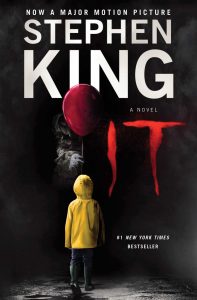
A Tale of Fear and Friendship
Stephen King’s It is a sprawling epic that combines cosmic horror with a poignant exploration of childhood, trauma, and the bonds of friendship. At over 1,100 pages, the novel is a monumental achievement in the horror genre, showcasing King’s ability to blend the deeply personal with the profoundly terrifying. First published in 1986, It has since become one of King’s most celebrated works, with Pennywise the Dancing Clown emerging as a cultural icon of fear.
Plot Overview
The story alternates between two timelines, following a group of friends—later known as the Losers’ Club—who confront a shape-shifting entity that preys on the town of Derry, Maine. In 1958, the Losers face this creature, which often manifests as Pennywise the Dancing Clown but can take the form of their worst fears. Despite seemingly defeating It, they vow to return if the creature ever resurfaces.
In 1985, the Losers, now adults, are drawn back to Derry when It awakens to continue its cycle of terror. As they rekindle their childhood bonds, they confront not only the monster but also the personal traumas and fears that have shaped their lives.
Key Themes and Analysis
- The Nature of Fear
Fear is the central weapon of It, a being that feeds on its victims’ terror. The novel explores different kinds of fear—childhood fears of monsters in the dark, adult fears of failure and regret, and the collective fear that allows evils to thrive unnoticed. By confronting their individual and collective fears, the Losers’ Club shows that courage and unity are the keys to overcoming even the most insidious threats. - Friendship and Resilience
At its core, It is as much about the enduring power of friendship as it is about horror. The Losers’ Club demonstrates the strength found in unity, trust, and loyalty. Their deep bond, forged through shared trials, proves to be their greatest weapon against the creature. - The Loss of Innocence
King contrasts the exuberance and imagination of childhood with the disillusionment and complexity of adulthood. The Losers’ Club’s journey is both a literal battle against a monster and a metaphorical battle against the harsh realities of growing up. The return to Derry serves as a reminder that the scars of childhood linger well into adulthood. - The Dark Side of Small-Town Life
The novel’s setting, Derry, Maine, is a microcosm of the rot beneath the surface of seemingly idyllic small-town America. King masterfully captures how prejudice, violence, and denial fester in communities, allowing evils like It to flourish. The town itself becomes a character, complicit in the horrors inflicted by the entity. - The Cycle of Trauma
It delves into how trauma shapes individuals and communities. For the Losers, their childhood encounter with the creature leaves indelible marks, influencing their adult lives in profound ways. The story examines how confronting the past is necessary for healing and closure.
Pennywise: An Icon of Terror
Pennywise the Dancing Clown is one of horror’s most enduring figures, embodying both primal fear and grotesque whimsy. Its ability to shape-shift into its victims’ worst fears makes it a deeply personal and universal villain. Pennywise’s sinister charm and unpredictability cement its place as one of King’s most chilling creations.
Legacy and Impact
It has had a profound cultural impact, with adaptations solidifying its place in popular culture. The 1990 miniseries brought Tim Curry’s unforgettable portrayal of Pennywise to audiences, while the 2017 and 2019 films introduced the story to a new generation. These adaptations, while condensed, capture the spirit of King’s narrative and underscore the enduring relevance of its themes.
Why It’s a Must-Read
It is more than a horror novel—it’s a deeply human story about the power of memory, friendship, and facing one’s fears. King’s rich prose, multifaceted characters, and the dual timelines create a narrative that is both epic in scope and intimate in emotion. Whether you’re drawn to the terror of Pennywise or the emotional depth of the Losers’ journey, It is an essential read for anyone exploring the works of Stephen King.
 3. Misery (1987)
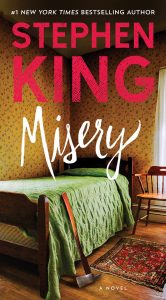
The Fear of Obsession
Stephen King’s Misery is a chilling exploration of the darker side of fandom, creativity, and human obsession. Published in 1987, the novel veers away from King’s usual supernatural horrors, instead delivering an intensely psychological thriller. With its claustrophobic setting, unnerving character dynamics, and sharp commentary on the dangers of idolization, Misery is a masterclass in suspense that showcases King’s ability to terrify without relying on the paranormal.
Plot Overview
Paul Sheldon, a best-selling author known for his Misery romance series, wakes up after a car accident in the isolated home of Annie Wilkes, a self-proclaimed “number one fan.” At first, Annie seems like a savior, nursing him back to health. However, Paul quickly discovers her sinister intentions. Enraged that he killed off her favorite character in his latest book, Annie demands Paul write a new novel resurrecting Misery Chastain. Trapped, injured, and entirely at her mercy, Paul becomes a prisoner in Annie’s home as her behavior grows increasingly erratic and violent.
Themes and Analysis
- Obsession and Fandom
Misery delves into the dangers of obsessive fandom, a theme that remains highly relevant in today’s celebrity-driven culture. Annie represents the extreme end of idolization, where admiration becomes possession. Her belief that she “owns” Misery and has a right to dictate Paul’s creative decisions turns her into a symbol of toxic fandom—a reflection of how audiences sometimes feel entitled to control the artists they admire. - Creative Imprisonment
Paul’s physical captivity mirrors the creative trap many writers experience. As he’s forced to resurrect a character he thought he had left behind, the novel explores the pressures artists face to cater to audience expectations versus pursuing their own creative instincts. King, who had struggled with his own relationship to fame and writing during this period, injects a sense of personal frustration into Paul’s plight. - Isolation and Madness
The novel’s setting amplifies its psychological tension. Annie’s remote home, cut off from the world by snow and distance, becomes a breeding ground for madness. Annie’s descent into violent insanity and Paul’s struggle to maintain his sanity create a dynamic where the lines between captor and captive blur, as both characters manipulate each other in a battle of wills. - Power and Control
Annie exerts total control over Paul, both physically and creatively. Her dominance underscores a key theme: the imbalance of power in obsessive relationships. Paul, despite his intelligence and resourcefulness, is rendered helpless by his injuries and dependence on Annie, highlighting the fragility of those who fall into the orbit of an obsessive personality. - Survival and Resilience
Paul’s journey is not just about escaping Annie’s clutches but also reclaiming his agency as a writer and a person. His resilience in the face of physical pain and psychological torment underscores the human spirit’s capacity to endure and adapt under extreme circumstances.
Characterization: Annie Wilkes
Annie Wilkes is one of King’s most memorable and terrifying creations. A former nurse with a history of violence and mental instability, Annie is equal parts nurturing caretaker and sadistic tormentor. Her mood swings, from saccharine kindness to explosive rage, keep both Paul and the reader constantly on edge. Her infamous acts of violence, such as the “hobbling” scene, cement her as one of literature’s most chilling villains.
Legacy and Impact
Misery remains a cultural touchstone for its exploration of the artist-fan relationship and its razor-sharp psychological tension. The 1990 film adaptation, starring Kathy Bates and James Caan, brought the story to an even wider audience, with Bates earning an Academy Award for her portrayal of Annie Wilkes. The novel and film have since been referenced in discussions about fandom culture, creativity, and the dynamics of control in relationships.
Why It’s a Must-Read
Misery is a tightly wound thriller that grips the reader from its opening pages and doesn’t let go. King’s exploration of obsession, power, and the creative process resonates deeply, making the novel both a harrowing psychological study and a commentary on the pressures of fame. For readers who enjoy character-driven suspense and an unrelenting atmosphere of dread, Misery is an essential addition to their library.
 4. The Stand (1978)
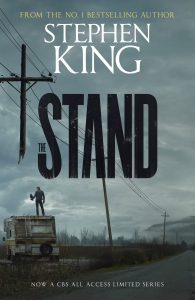
An Epic Battle Between Good and Evil
Stephen King’s The Stand is a sprawling, post-apocalyptic epic that tackles timeless themes of morality, resilience, and the cosmic struggle between light and darkness. First published in 1978 and later expanded in a 1990 uncut edition, The Stand is one of King’s most ambitious and beloved works. Combining elements of horror, science fiction, and fantasy, it offers a harrowing vision of a world brought to its knees by a deadly pandemic, only to witness humanity’s fight for survival and redemption.
Plot Overview
The novel begins with the accidental release of a weaponized strain of influenza, known as “Captain Trips,” from a U.S. military base. The virus spreads uncontrollably, wiping out 99% of the global population. Against this apocalyptic backdrop, the remaining survivors are inexplicably drawn to two opposing figures:
Mother Abagail, a 108-year-old woman representing divine good, who gathers her followers in Boulder, Colorado. Randall Flagg, a sinister figure embodying chaos and malevolence, who establishes his stronghold in Las Vegas, Nevada. As the survivors form their respective communities, the stage is set for an epic showdown between good and evil. The novel delves deeply into the lives and struggles of its characters, chronicling their journeys as they confront their fears, past traumas, and moral dilemmas.
Themes and Analysis
- Good vs. Evil
At its core, The Stand is a quintessential battle between the forces of good, led by Mother Abagail, and evil, represented by the charismatic but terrifying Randall Flagg. This biblical clash underscores King’s exploration of morality, free will, and the power of choice. Each character must decide whether to follow the path of light or succumb to darkness, highlighting the personal stakes in this grand conflict. - Survival and Community
In the wake of Captain Trips, survivors are forced to rebuild their lives from the ashes. King explores how humans band together to form communities, showcasing their ability to adapt and thrive even in the face of overwhelming odds. However, these communities are also fragile, susceptible to internal conflicts and external threats. - The Fragility of Civilization
The rapid collapse of modern society in The Stand serves as a grim reminder of how easily civilization can crumble. The novel examines humanity’s reliance on technology, systems of governance, and social norms—all of which disintegrate in the wake of the pandemic. - Human Resilience and Redemption
Many of the characters in The Stand are deeply flawed, carrying the weight of past mistakes and moral failings. Through their struggles, King explores the capacity for personal growth and redemption, emphasizing that even in the darkest of times, hope and humanity can endure. - The Role of Fate and Free Will
While divine and supernatural forces are at play throughout the novel, King leaves room for characters to exercise free will. Their decisions—whether to act selfishly or altruistically—shape their destinies, adding depth to the novel’s exploration of moral agency.
Randall Flagg: King’s Ultimate Villain
Randall Flagg, also known as the Dark Man, is one of King’s most iconic antagonists. A recurring figure in King’s multiverse, Flagg is a manipulative and charismatic embodiment of evil, capable of bending others to his will. His presence in The Stand looms large, representing chaos, fear, and the corruptive allure of power.
Legacy and Cultural Impact
The Stand is often hailed as King’s magnum opus, a work that transcends the horror genre to explore profound philosophical and societal questions. Its depiction of a pandemic and the collapse of society has only grown more relevant with time, resonating deeply during events like the COVID-19 pandemic.
The novel has been adapted into multiple formats, including a 1994 miniseries and a 2020 limited series, each bringing new audiences to this monumental tale. Despite its vast scope, the story remains deeply personal, with characters that feel real and relatable.
Why It’s a Must-Read
The Stand is not just a novel—it’s an experience. Its richly detailed world, complex characters, and universal themes make it a cornerstone of modern literature. Whether you’re drawn to its apocalyptic setting, moral complexity, or King’s unparalleled storytelling, The Stand offers something for every reader. It’s a reminder that even in the face of unimaginable darkness, humanity’s light can prevail.
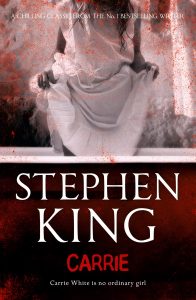
 5. Carrie (1974)
The Book That Started It All
Carrie holds a special place in literary history as Stephen King’s debut novel—the book that launched his illustrious career and cemented his reputation as the “King of Horror.” Published in 1974, the novel is a dark, tragic tale of teenage angst, bullying, and vengeance, all wrapped in a supernatural framework. Though it was almost never published (King famously threw the first draft in the trash before his wife, Tabitha, rescued and encouraged him to finish it), Carrie became an instant success, transforming King’s life and the horror genre.
Plot Overview
The story revolves around Carrie White, a painfully shy and socially awkward high school girl raised by her abusive, fanatically religious mother, Margaret. At school, Carrie is the target of relentless bullying by her peers, particularly after an incident in the locker room where her classmates ridicule her for not understanding menstruation.
Unbeknownst to her tormentors, Carrie possesses powerful telekinetic abilities that manifest when she’s under extreme emotional distress. As Carrie begins to explore her powers, she is invited to prom by a kindhearted classmate, Sue Snell, who regrets her role in tormenting Carrie. However, a cruel prank at the prom pushes Carrie to the breaking point, unleashing a catastrophic display of her abilities in one of the most iconic and shocking climaxes in modern literature.
Themes and Analysis
- Bullying and Social Cruelty
At its heart, Carrie is a searing commentary on the devastating effects of bullying. Through Carrie’s experiences, King examines the psychological toll of relentless humiliation and exclusion. The cruelty of her classmates, fueled by peer pressure and a lack of empathy, serves as a stark reminder of how unchecked behavior can have catastrophic consequences. - Coming of Age and Self-Discovery
Carrie’s discovery of her telekinetic powers parallels her journey of self-discovery. Her abilities symbolize both her suppressed emotions and her growing sense of agency. However, instead of empowerment, her newfound control becomes a means of exacting vengeance, highlighting the destructive potential of repressed anger. - Religious Fanaticism
Carrie’s mother, Margaret, embodies the dangers of extreme religious zealotry. Her oppressive beliefs and abusive behavior create a toxic environment that isolates Carrie further and fuels her eventual breakdown. Margaret’s influence is as much a villainous force in the novel as Carrie’s tormentors at school. - The Monster Within
King flips the traditional horror narrative by making Carrie both victim and monster. Her telekinetic rampage at the prom is horrifying, but the novel’s emotional depth ensures that readers sympathize with her plight. This duality makes Carrie a complex and layered character study. - Female Empowerment and Vulnerability
As King’s first exploration of a female protagonist, Carrie delves into the challenges of growing up as a young woman in a patriarchal and often cruel society. Her powers could be seen as a metaphor for female strength and autonomy, yet they are tragically twisted by her circumstances.
Cultural Impact and Legacy
Carrie not only launched Stephen King’s career but also became a cultural phenomenon. Its success led to Brian De Palma’s 1976 film adaptation, which further popularized the story and solidified its place in horror history. The film introduced the world to Sissy Spacek’s haunting portrayal of Carrie, along with the unforgettable image of her drenched in pig’s blood—a scene that has become synonymous with horror itself.
The novel has been adapted multiple times, including a 2013 remake and a 1988 Broadway musical. Its themes of bullying, vengeance, and alienation remain relevant, resonating with new generations and sparking discussions about empathy, societal pressures, and the lasting effects of trauma.
Why It’s a Must-Read
Carrie is more than a horror story—it’s a deeply human tale about the consequences of cruelty and the longing for acceptance. King’s raw, visceral prose captures both the terror and the heartbreak of Carrie’s journey, making it as emotionally impactful as it is terrifying. For readers seeking a gripping, thought-provoking story that paved the way for a master of the craft, Carrie is an essential starting point.
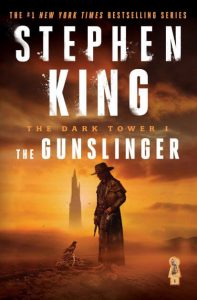
6. The Dark Tower: The Gunslinger (1982)
Blending Fantasy and Horror
The Gunslinger is the inaugural entry in Stephen King’s The Dark Tower series, a monumental blend of fantasy, Western, horror, and science fiction that King considers his magnum opus. Published in 1982, the novel introduces readers to Roland Deschain, the enigmatic last gunslinger, and sets the stage for a sprawling narrative that spans eight novels and multiple dimensions. With its mix of philosophical depth, rich world-building, and haunting atmosphere, The Gunslinger is a compelling beginning to one of the most ambitious literary epics ever written.
Plot Overview
The novel opens with one of King’s most famous lines: “The man in black fled across the desert, and the gunslinger followed.” Roland Deschain, the titular gunslinger, is on a relentless pursuit of the Man in Black, a mysterious figure who holds answers to Roland’s quest for the Dark Tower.
Set in a world that has “moved on,” the story unfolds in a desolate landscape resembling the American Old West, but with elements of magic, decayed technology, and ancient myths. Along the way, Roland encounters various characters, including Jake Chambers, a boy from another dimension, and confronts his own morality and determination as his obsession with the Tower takes shape.
Themes and Analysis
- The Hero’s Journey with a Dark Twist
Roland is the archetypal hero, but with a twist. He’s not the noble, selfless figure often found in fantasy tales. Instead, he’s morally ambiguous, willing to sacrifice others—even those he cares for—to achieve his goal. His quest for the Dark Tower is both noble and selfish, making him a deeply complex and fascinating protagonist. - Blending Genres
The Gunslinger defies categorization, seamlessly blending genres to create a unique narrative experience. The desolate, Western-style setting is steeped in elements of horror, such as eerie supernatural encounters and a creeping sense of dread. Meanwhile, its fantastical and science fiction elements—portals to other dimensions, ancient artifacts, and the mystical Dark Tower—expand the story into an epic that transcends traditional genre boundaries. - Obsession and Sacrifice
Roland’s single-minded pursuit of the Dark Tower is the central thread of the series, and in The Gunslinger, this obsession begins to take shape. His willingness to make great sacrifices raises questions about the price of ambition and the moral compromises made in pursuit of a higher goal. - A World That Has ‘Moved On’
The setting of The Gunslinger is as much a character as Roland himself. This world is crumbling, its civilizations long past their prime, and its landscapes littered with remnants of lost technology and forgotten magic. This apocalyptic atmosphere creates a haunting backdrop that enhances the story’s tension and sense of mystery. - Philosophical Undertones
Beneath the surface of Roland’s journey is a layer of philosophical and existential inquiry. Themes of fate, free will, and the nature of time recur throughout the novel, as Roland’s conversations with the Man in Black hint at deeper cosmic truths tied to the Dark Tower itself.
The Man in Black and the Tower
The Man in Black, also known as Randall Flagg (a recurring antagonist in King’s multiverse), represents chaos and deception. His role in the novel is pivotal, not only as Roland’s immediate adversary but also as a harbinger of the larger forces at play. The Dark Tower, meanwhile, is introduced as the linchpin of existence, a mysterious structure that holds the fabric of all worlds together. Its true nature remains tantalizingly elusive, fueling Roland’s quest and the reader’s curiosity.
Legacy and Cultural Impact
The Gunslinger marked the beginning of a series that would become one of King’s most celebrated achievements. Though the novel initially received mixed reviews for its unconventional structure and cryptic narrative, it has since been recognized as a bold and innovative work. The Dark Tower series has inspired comics, graphic novels, and a 2017 film adaptation (though the latter received a lukewarm reception).
The series’ influence extends far beyond its pages, shaping the landscape of modern fantasy. It also serves as a cornerstone of King’s larger literary multiverse, with characters, events, and themes from The Dark Tower appearing in many of his other works.
Why It’s a Must-Read
The Gunslinger is not just a story—it’s the gateway to an entire universe. Its unique fusion of genres, philosophical depth, and richly imagined world make it a standout in King’s bibliography. For readers willing to embark on a journey as expansive and mysterious as the Dark Tower itself, this first installment offers an unforgettable introduction to a literary epic unlike any other.
 7. Pet Sematary (1983)

Exploring Death and the Limits of Love
Stephen King’s Pet Sematary is a haunting meditation on grief, loss, and the moral and emotional consequences of defying the natural order. Published in 1983, the novel is one of King’s darkest works, delving into the lengths people will go to avoid pain and the often horrifying repercussions of their actions. Drawing on folklore, human psychology, and raw emotion, Pet Sematary is a chilling story that lingers with readers long after the final page.
Plot Overview
The novel follows the Creed family—Louis, Rachel, and their two young children, Ellie and Gage—who move to a rural town in Maine. Behind their new home lies a makeshift pet cemetery (intentionally misspelled “Pet Sematary”) where local children bury their deceased animals. Beyond it, however, is an ancient burial ground with sinister powers: anything interred there returns to life—but not as it was before.
When tragedy strikes the family, Louis is tempted to use the burial ground’s powers despite ominous warnings from his elderly neighbor, Jud Crandall. The decision to tamper with death sets off a series of horrifying events that force the Creed family to confront the devastating consequences of trying to undo the inevitable.
Themes and Analysis
- The Inevitability of Death
At its core, Pet Sematary grapples with the universal truth of mortality. King confronts the reader with the discomfort of death’s finality and explores how individuals process—or fail to process—grief. Louis’s inability to accept loss leads to increasingly desperate and catastrophic decisions, underscoring the dangers of denying this fundamental aspect of life. - Grief and Its Transformative Power
Grief is a central force driving the characters’ actions. Louis’s profound sorrow blinds him to the consequences of his choices, while Rachel’s own childhood trauma regarding death adds layers of tension to the story. King masterfully portrays the varying ways people cope with loss, highlighting how grief can distort judgment and compel irrational behavior. - The Dangers of Playing God
The novel examines humanity’s tendency to defy natural laws in pursuit of control. Louis’s decision to use the burial ground reflects a deeper question: how far would someone go to reverse an unbearable loss? This theme is particularly poignant in Pet Sematary, as King explores the moral and emotional costs of taking on the role of creator and controller of life and death. - The Corruption of Love
Louis’s love for his family drives his actions, but that same love becomes twisted as he sacrifices moral boundaries to ease his pain. This tragic transformation shows how even the purest emotions can lead to darkness when paired with desperation and denial. - Folklore and Superstition
King weaves elements of Native American folklore into the story, using the burial ground as a symbol of ancient power and the unknown. The Wendigo, a malevolent spirit tied to the burial ground, serves as a reminder of the consequences of meddling with forces beyond human understanding.
Tone and Atmosphere
The novel is suffused with an oppressive sense of dread. From the eerie stillness of the burial ground to the foreboding warnings of Jud Crandall, King creates an atmosphere where the reader senses that tragedy is inevitable. The creeping horror builds slowly, making the final act’s explosion of violence and despair all the more devastating.
Jud Crandall: The Voice of Warning
Jud Crandall, the Creeds’ neighbor, serves as a pivotal character, both as a mentor and a cautionary figure. His intimate knowledge of the burial ground’s dark history offers Louis a chance to avoid tragedy, but his own guilt over past mistakes adds a layer of complexity to his character. Jud’s role highlights the generational transmission of wisdom—and the consequences of ignoring it.
Legacy and Cultural Impact
Pet Sematary is widely regarded as one of King’s most unsettling works, both for its unflinching depiction of grief and its terrifying exploration of resurrection. The novel was adapted into two films (1989 and 2019), both of which brought its haunting themes to life, although neither fully captured the psychological depth of the original story.
King himself has admitted that Pet Sematary is one of the few books he found genuinely disturbing to write, calling it his “scariest” work. This admission underscores the novel’s visceral impact, as it forces readers to confront their own fears about death, loss, and the price of defying nature.
Why It’s a Must-Read
Pet Sematary is not just a horror story—it’s a profound exploration of the human condition. By combining supernatural elements with deeply personal themes, King creates a narrative that is as emotionally resonant as it is terrifying. For readers seeking a story that delves into the darkest corners of love, grief, and humanity’s hubris, Pet Sematary is an unforgettable and essential read.
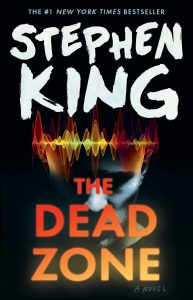
 8. The Dead Zone (1979)
When Power Becomes a Curse
The Dead Zone is a compelling blend of suspense, drama, and the supernatural, showcasing Stephen King’s ability to craft a deeply human story within extraordinary circumstances. Published in 1979, the novel explores how a seemingly miraculous gift can become a heavy burden, forcing its protagonist to confront moral dilemmas and existential questions about fate and free will. With its mix of psychic phenomena and sharp commentary on human nature, The Dead Zone stands out as one of King’s most thought-provoking works.
Plot Overview
Johnny Smith, an ordinary schoolteacher, falls into a coma after a car accident. When he awakens five years later, he discovers he has developed psychic abilities that allow him to see people’s pasts, futures, and hidden secrets through touch.
Johnny initially struggles to come to terms with his powers, viewing them as a curse rather than a gift. As he tries to rebuild his life, he becomes entangled in a series of events that lead him to Greg Stillson, a rising politician with a dark and dangerous future. Johnny must wrestle with an impossible choice: take drastic action to prevent a catastrophic future or live with the knowledge of what’s to come.
Themes and Analysis
- The Burden of Knowledge
Johnny’s psychic abilities force him to grapple with knowledge that no one else has. His powers are not simply a means of solving mysteries—they are a heavy burden that isolates him from others and thrusts him into morally fraught situations. The novel raises questions about the ethics of intervening in events that have yet to unfold and the psychological toll of knowing too much. - Morality and Fate
The central conflict in The Dead Zone revolves around Johnny’s discovery of Greg Stillson’s potential for mass destruction. Johnny must decide whether it is morally justifiable to take a life to prevent a greater evil. King explores the concept of fate, asking whether certain events are predestined or if individuals have the power to change the course of history. - Isolation and Sacrifice
Johnny’s powers create a barrier between him and the people he loves, leaving him isolated and misunderstood. His eventual decision to act against Stillson reflects a profound personal sacrifice, underscoring the theme of selflessness in the face of insurmountable odds. - The Dark Side of Politics
Through the character of Greg Stillson, King examines the corrupting influence of power and the dangers of unchecked ambition. Stillson’s rise to political prominence is a chilling portrayal of how fear and manipulation can be wielded to amass control, a theme that remains deeply relevant. - The Fragility of Life
Johnny’s journey is also a meditation on life’s unpredictability. His accident, coma, and subsequent awakening emphasize the fragility of existence and how quickly circumstances can change. This theme adds depth to Johnny’s struggle as he tries to make sense of his altered reality.
Tone and Atmosphere
The Dead Zone is imbued with a sense of unease, balancing moments of quiet introspection with intense suspense. King builds tension masterfully, particularly as Johnny’s visions of Stillson’s future become increasingly dire. The novel’s tone shifts between hopeful and harrowing, reflecting Johnny’s internal conflict and the stakes of his decisions.
Johnny Smith: A Relatable Hero
Johnny Smith is one of King’s most empathetic protagonists. His powers do not make him a larger-than-life hero; rather, they make him profoundly human. He struggles with self-doubt, fear, and loneliness, making his ultimate act of courage all the more impactful. Johnny’s relatability allows readers to connect with his moral quandaries, even as they unfold in extraordinary circumstances.
Legacy and Adaptations
The Dead Zone has left a lasting mark on popular culture. David Cronenberg’s 1983 film adaptation, starring Christopher Walken as Johnny and Martin Sheen as Greg Stillson, brought the story to a wider audience. The novel also inspired a television series (2002–2007) that expanded on its themes and characters.
The story’s exploration of psychic phenomena and moral dilemmas has influenced countless works in the suspense and supernatural genres. Its central question—“What would you do if you could see the future?”—remains as compelling as ever.
Why It’s a Must-Read
The Dead Zone is more than a supernatural thriller—it’s a deeply human story about morality, responsibility, and the cost of doing what’s right. King’s nuanced exploration of Johnny’s struggles and the novel’s intense suspense make it a standout in his bibliography. For readers drawn to stories that balance emotional depth with gripping drama, The Dead Zone is an essential read.
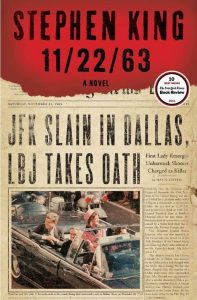
9. 11/22/63 (2011)
Time Travel Meets Historical Fiction
Stephen King’s 11/22/63 is a remarkable departure from his usual horror fare, showcasing his range and storytelling prowess in a blend of time travel, historical fiction, and emotional drama. Published in 2011, the novel offers a compelling exploration of one of the most infamous moments in American history—the assassination of President John F. Kennedy. Rich in detail and brimming with heart, 11/22/63 is a masterclass in blending speculative fiction with real-world events.
Plot Overview
The story follows Jake Epping, a high school English teacher in Maine, who stumbles upon a time portal in the pantry of a local diner. The portal leads to September 9, 1958, allowing Jake to step back in time and potentially change history. Encouraged by Al, the diner’s owner, Jake takes on a monumental task: preventing the assassination of JFK on November 22, 1963.
As Jake immerses himself in the past, he discovers that changing history is far more complex than he imagined. Along the way, he forms relationships, navigates the moral implications of his mission, and grapples with the paradoxes and challenges of time travel. The closer he gets to his goal, the more he realizes the cost of altering the past—and the potential consequences for the future.
Themes and Analysis
- The Fragility of Time
King portrays time as a living entity, resistant to change and prone to fighting back. The idea that “the past doesn’t want to be changed” manifests through a series of obstacles and tragedies that Jake encounters, emphasizing the fragility and interconnectedness of historical events. - The Ethics of Changing History
The novel delves deeply into the moral and ethical dilemmas of time travel. Jake must wrestle with questions about whether he has the right to interfere in the past and whether his actions will truly make the world better—or inadvertently make it worse. - The Power of Love and Connection
As Jake becomes entrenched in 1950s life, he falls in love with Sadie Dunhill, a librarian in the small town of Jodie, Texas. Their relationship becomes a poignant counterpoint to the larger, impersonal mission of saving JFK. Through Jake and Sadie’s love story, King explores how personal happiness can conflict with greater responsibilities. - Historical Authenticity and Nostalgia
King meticulously recreates the late 1950s and early 1960s, capturing the cultural atmosphere, social norms, and political tensions of the era. His vivid descriptions immerse readers in a world both idyllic and deeply flawed, offering a nostalgic yet unflinching portrait of mid-20th-century America. - The Butterfly Effect
The novel explores the ripple effects of even the smallest changes in the past. Jake’s actions, both deliberate and unintentional, create unforeseen consequences, illustrating the unpredictability and complexity of altering history.
Tone and Atmosphere
While 11/22/63 contains moments of suspense and intrigue, its overall tone is one of introspection and poignancy. King balances the thrilling urgency of Jake’s mission with quieter, emotional moments that reflect on the human cost of his choices. The book’s richly detailed historical setting adds an immersive layer, making the reader feel the weight of Jake’s task.
Jake Epping: A Reluctant Hero
Jake Epping is one of King’s most relatable protagonists—a regular man thrust into extraordinary circumstances. His inner conflict, determination, and vulnerability make him a deeply empathetic character. Jake’s journey is as much about personal growth and self-discovery as it is about saving JFK, lending the novel an emotional depth that resonates with readers.
Legacy and Cultural Impact
11/22/63 received widespread critical acclaim for its ambitious premise, meticulous historical detail, and emotional resonance. It was adapted into a Hulu miniseries in 2016, starring James Franco as Jake Epping. The adaptation introduced the story to a broader audience, though fans of the book often note the depth and nuance of King’s original work.
The novel’s exploration of time travel, historical revisionism, and personal sacrifice has cemented its place as one of King’s standout achievements, appealing to both fans of speculative fiction and readers of historical drama.
Why It’s a Must-Read
11/22/63 is a triumph of storytelling, combining the thrills of time travel with the emotional weight of love, loss, and moral responsibility. King’s meticulous attention to historical detail and his ability to weave complex themes into a gripping narrative make this novel a standout in his bibliography. For readers seeking a thought-provoking and emotionally resonant journey through time, 11/22/63 is an essential read.
10. Full Dark, No Stars (2010)
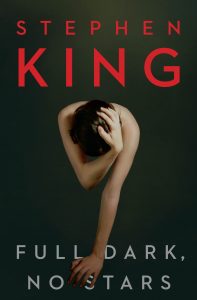
A Masterclass in Short Fiction
Stephen King’s Full Dark, No Stars is a riveting collection of four novellas that explores the grim and often disturbing depths of human nature. Published in 2010, the collection is united by its unflinching focus on the darker sides of morality, choices, and consequences. While King is often celebrated for his epic novels, Full Dark, No Stars demonstrates his mastery of short fiction, delivering stories that are as impactful and haunting as his longer works.
Overview of the Stories
- 1922
This harrowing tale is a confession by Wilfred James, a Nebraska farmer who murders his wife, Arlette, to prevent her from selling the family land. Enlisting the reluctant help of his son, Wilfred’s actions unleash a cascade of horrific events that spiral out of control. The story is both a gothic exploration of guilt and a meditation on the corrosive power of greed. Its atmosphere is bleak, its tone grim, and its protagonist a study in self-destruction. - Big Driver
Tess, a mystery writer, takes a shortcut on her way home from a book event and is brutally assaulted by a truck driver. Surviving the ordeal, Tess plots a meticulous plan for revenge. This story is a brutal examination of trauma, vengeance, and empowerment. King delves into the psychological aftermath of violence, portraying Tess’s transformation with raw intensity. - Fair Extension
Dave Streeter, a man dying of cancer, encounters a mysterious vendor who offers to extend his life in exchange for transferring his misfortune to someone else. This Faustian tale is a darkly humorous and chilling exploration of envy, morality, and the consequences of selfishness. The story’s sharp irony and moral ambiguity leave a lasting impression. - A Good Marriage
A seemingly idyllic marriage is shattered when Darcy Anderson discovers evidence that her husband is a serial killer. This story examines the horrors lurking beneath the surface of normalcy and the lengths to which people will go to preserve their own lives and identities. Darcy’s moral struggle is both relatable and deeply unsettling.
Themes and Analysis
- The Dark Corners of Human Nature
Full Dark, No Stars delves into humanity’s capacity for greed, vengeance, envy, and violence. Each story forces readers to confront the uncomfortable truths about what people are capable of when pushed to their limits or when offered the chance to satisfy their darkest desires. - Moral Ambiguity
The characters in these novellas are rarely heroes or villains in the traditional sense. Instead, they occupy morally gray areas, making choices that are both understandable and reprehensible. King uses these characters to explore the complexity of human morality and the consequences of straying from ethical paths. - Guilt and Consequences
Guilt plays a prominent role in 1922 and A Good Marriage, driving characters to unravel psychologically as they grapple with the fallout of their actions. King masterfully depicts how guilt can manifest as both an emotional and a physical presence, haunting his characters in deeply personal ways. - Female Resilience
Tess in Big Driver and Darcy in A Good Marriage are both ordinary women thrust into extraordinary and horrific situations. Their stories highlight the resilience, resourcefulness, and moral strength of women facing unimaginable circumstances. - The Thin Veil of Normalcy
All four novellas reveal the darkness that can lie just beneath the surface of everyday life. Whether it’s a quiet farm in 1922 or a suburban home in A Good Marriage, King juxtaposes the familiar with the horrific, creating an unsettling sense of unease.
Why Short Fiction Works Here
The novella format allows King to focus on taut, tightly woven narratives while still delving deeply into character and theme. Each story is self-contained, yet their shared exploration of dark themes creates a cohesive reading experience. King’s prose is lean and precise, packing emotional and narrative punches that linger long after the stories end.
Legacy and Reception
Full Dark, No Stars was widely praised upon its release, with critics highlighting King’s ability to explore the human condition with both brutality and empathy. The collection won the Bram Stoker Award for Best Collection in 2010, further cementing King’s reputation as a master of short fiction.
Some of the novellas have been adapted into film, including Big Driver (2014) and 1922 (2017), both of which brought King’s chilling visions to life for new audiences.
Why It’s a Must-Read
Full Dark, No Stars is a testament to Stephen King’s range and ability to craft stories that are both gripping and thought-provoking. For readers who appreciate psychological depth, moral complexity, and unrelenting tension, this collection offers a deeply satisfying experience. It’s proof that King’s shorter works can be just as powerful—and haunting—as his full-length novels.
Honorable Mentions
A Glimpse into Stephen King’s Expansive Universe
Stephen King’s literary output is so vast and diverse that limiting a list to ten titles inevitably leaves out several iconic works. The following novels represent additional highlights from King’s incredible bibliography. These stories, spanning horror, fantasy, psychological drama, and dystopian fiction, showcase his unparalleled ability to blend gripping narratives with complex characters and themes. Here’s a closer look at a few standout titles that deserve recognition.
 1. The Green Mile (1996)
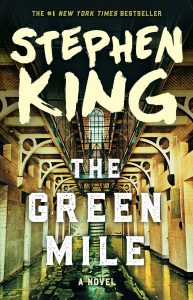
A serialized novel that later became a single volume, The Green Mile is one of King’s most emotionally resonant works. Set in the 1930s on death row at Cold Mountain Penitentiary, the story follows Paul Edgecombe, a prison guard, and John Coffey, a gentle giant with mysterious healing powers who is convicted of a heinous crime.
Themes of redemption, justice, and the capacity for both cruelty and kindness run through this heart-wrenching tale. The Green Mile emphasizes King’s ability to tell a deeply humane story, even within the confines of a supernatural framework. The acclaimed 1999 film adaptation, starring Tom Hanks and Michael Clarke Duncan, introduced the story to an even wider audience.
 2. Christine (1983)
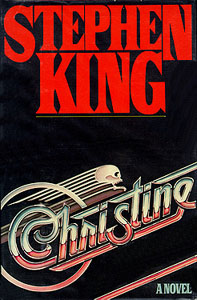
With Christine, King transforms a seemingly mundane object—a 1958 Plymouth Fury—into an embodiment of horror. The story follows Arnie Cunningham, a high school misfit who purchases Christine, a car with a sinister mind of its own. As Christine exerts her influence over Arnie, his personality changes, and a trail of violence follows.
Christine is a brilliant exploration of obsession, possession, and the seductive allure of power. It also captures King’s gift for imbuing everyday objects with malevolent agency, making the ordinary terrifying. The novel remains a fan favorite and was adapted into a cult-classic film by John Carpenter in 1983.
 3. Doctor Sleep (2013)
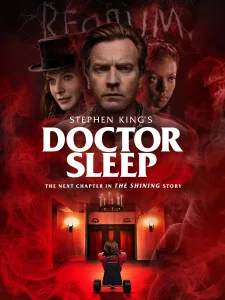
A sequel to The Shining, Doctor Sleep revisits Danny Torrance, now an adult struggling with the trauma of his childhood experiences at the Overlook Hotel. Danny, now known as “Dan,” battles his own demons of addiction and uses his psychic abilities, or “shining,” to help others.
The plot introduces the True Knot, a nomadic group of psychic vampires who feed on children with psychic powers. When Dan forms a bond with a young girl named Abra, they join forces to confront this dangerous group. Doctor Sleep is both a continuation of King’s earlier masterpiece and a compelling standalone story about healing, courage, and the enduring struggle between good and evil.
 4. The Running Man (1982)
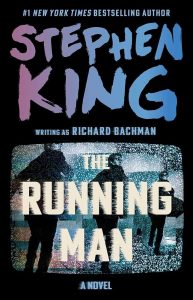
Published under the pseudonym Richard Bachman, The Running Man is a fast-paced dystopian thriller set in a bleak future where society is dominated by violence and media spectacle. The protagonist, Ben Richards, participates in a deadly reality show in which he must evade capture by government-hired hunters while being broadcast live to the world.
The novel is a biting critique of reality television, economic inequality, and societal desensitization to violence. Though less expansive than some of King’s other works, The Running Man showcases his talent for crafting gripping, high-stakes narratives with strong social commentary. It was loosely adapted into a 1987 film starring Arnold Schwarzenegger, which has since become a cult favorite.
Why These Books Stand Out
These honorable mentions reflect King’s ability to traverse genres while maintaining his signature style—blending suspense, humanity, and storytelling mastery.
- The Green Mile showcases his emotional depth and compassion.
- Christine reminds readers that even the everyday can become monstrous.
- Doctor Sleep highlights his skill in revisiting and expanding his earlier works with fresh perspectives.
- The Running Man is a testament to his ability to write taut, socially conscious thrillers.
The Breadth of King’s Legacy
Stephen King’s bibliography is not just vast—it’s a treasure trove of unforgettable stories that touch on universal themes. These honorable mentions represent just a fraction of his immense contribution to literature, proving that his works extend far beyond the top ten. For readers eager to dive deeper into King’s world, these novels are excellent places to continue the journey.
Why These Ten Books Are Essential
Whether you’re encountering Stephen King for the first time or you’ve been a lifelong fan, these ten books offer a gateway into the heart of his literary genius. Each novel represents a cornerstone of his vast body of work, encapsulating his ability to weave terror, humanity, and imagination into unforgettable stories. King’s writing doesn’t just aim to scare—it delves deeply into the human experience, exploring themes of love, loss, morality, and resilience in the face of extraordinary circumstances.
A Diverse Range of Stories
From the supernatural horrors of It and Pet Sematary to the psychological tension of Misery and the epic fantasy of The Dark Tower: The Gunslinger, King’s versatility as a storyteller shines in these works. This collection covers a wide spectrum of genres, from dystopian thrillers like The Stand to poignant dramas like The Green Mile. These stories showcase his talent for creating vivid worlds, compelling characters, and narratives that linger long after the final page.
Haunting and Inspiring Generations
King’s stories resonate because they tap into universal fears and desires. The supernatural elements often serve as metaphors for real-life struggles—grief in Pet Sematary, addiction in The Shining, and the crushing weight of destiny in 11/22/63. His works are not just about the monsters lurking in the dark, but also about the courage it takes to confront them.
Generations of readers have found solace, thrill, and inspiration in King’s words. His characters—flawed, relatable, and often heroic—embody the triumph of the human spirit, even in the face of insurmountable odds.
Why King Remains a Literary Giant
- Unmatched Storytelling
King’s ability to craft stories that are both deeply personal and universally relatable is unparalleled. He blends intricate plots with emotional depth, making his books as engaging as they are profound. - Profound Themes
Beneath the scares, King addresses big questions: What does it mean to be human? How do we confront our fears? What price are we willing to pay for love, revenge, or redemption? These themes make his stories timeless. - Cultural Impact
King’s influence extends far beyond literature. His works have inspired films, TV shows, and even entire genres. Icons like Pennywise the Clown and the Overlook Hotel are ingrained in popular culture, testaments to his storytelling’s enduring power.
Why These Ten Books Matter
These ten novels are essential not just for understanding Stephen King’s impact on literature but also for appreciating his unparalleled ability to explore the human condition through the lens of horror, suspense, and fantasy. They represent the full spectrum of his imagination and serve as both a starting point for newcomers and a celebration of his genius for devoted fans.
Whether it’s the terror of Pennywise in It, the moral dilemmas of The Dead Zone, or the sprawling mythos of The Dark Tower, King’s stories are more than just books—they are experiences that haunt and inspire, leaving readers with a sense of wonder, dread, and, above all, a profound appreciation for the power of storytelling.

0 Comments