
Stephen King Beyond Horror: What This Guide Covers
For decades, Stephen King has carried the unavoidable title “the King of Horror.” It’s a label earned through sheer output and cultural impact, not marketing. But it’s also incomplete. Long before clowns, haunted hotels, or monsters took center stage, King was writing about friendship, regret, ambition, grief, power, and moral choice. Many of his most enduring stories don’t rely on fear at all.
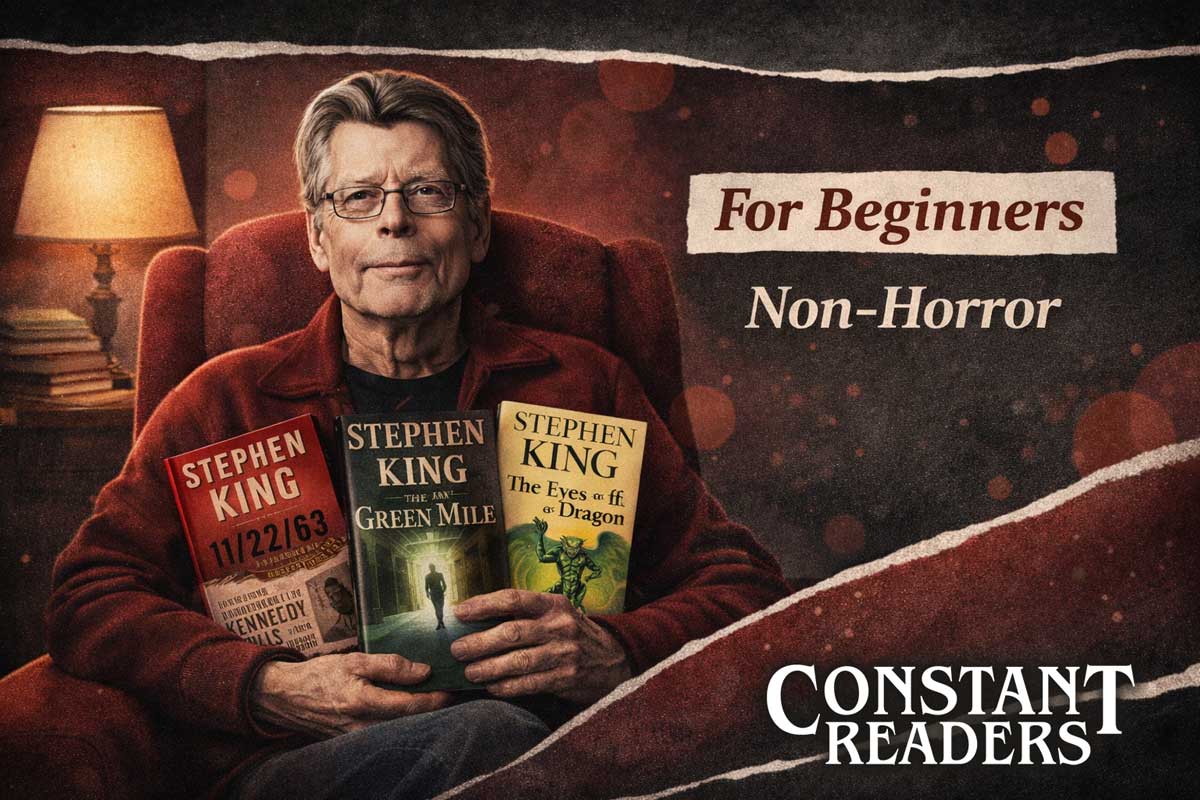
This guide is for readers who are curious about Stephen King but hesitant about horror. The focus here is on full-length books that avoid traditional horror elements such as gore, graphic violence, monsters, or relentless dread. Some include suspense, tension, or light supernatural ideas, but none are written to frighten the reader for sport. What they do showcase is King’s range across genres like historical fiction, crime, fantasy, science fiction, and emotional drama.
The books are ranked using four clear criteria:
- Literary merit: quality of prose, character depth, and thematic weight
- Genre diversity: how well each book stands outside the horror label
- Reader reception: long-term popularity and accessibility, especially for non-horror readers
- Cultural impact: influence through adaptations, awards, or lasting discussion
If you’re brand new to King, this list is designed to reduce guesswork and anxiety. If you’ve only seen the films, it helps separate what’s actually scary from what simply carries his name. And if you’re looking for a calmer entry point, you’ll find several natural starting places here. Readers who want extra guidance may also want to explore a companion piece like Stephen King Books for Beginners (Without Horror) or a simple “is this one scary?” reading guide.
The short answer to the question most people are asking is this: yes, you can enjoy Stephen King without the horror. The longer answer starts below.
Overview of Stephen King’s Non-Horror Genres
One reason Stephen King’s non-horror books surprise people is simple: they don’t feel like detours. These genres aren’t side projects or experiments. They’re fully realized, confident novels written by someone who understands story, character, and pacing at a very high level. If you’re avoiding horror, these categories are where King quietly shines.
Historical & Time-Travel Fiction
Books like 11/22/63 show King working in historical fiction with a speculative hook. The time travel is a tool, not the point. What drives the story is relationships, moral consequence, and the weight of trying to “fix” the past. Readers who enjoy character-driven historical novels tend to feel very comfortable here. This is often the safest recommendation for people who think they dislike Stephen King.
Crime & Detective Thrillers
King’s crime novels lean more toward psychological tension than fear. Titles like Billy Summers, Mr. Mercedes, and Holly focus on motive, guilt, justice, and flawed people trying to survive bad situations. These books read closer to modern crime fiction than horror, with clear stakes and strong momentum.
For readers who enjoy authors like Dennis Lehane or Michael Connelly, this side of King often clicks immediately. If you’re sensitive to violence, some titles are better entry points than others, which is why ordering matters later in this guide.
Stephen King’s Crime and Detective Novels: A Guide for Readers Who Don’t Want Horror
Fantasy & Dark Fantasy
Fantasy is one of King’s most underrated strengths. The Eyes of the Dragon is a classic, straightforward fantasy written in a clean, almost fairy-tale style. Fairy Tale expands that approach into a modern portal fantasy, while The Dark Tower blends fantasy, Westerns, and science fiction into a long-form epic.
These books are more about myth, destiny, and moral choice than fear. Even when darker moments appear, the tone remains adventurous rather than frightening. Readers who enjoy Tolkien, Lewis, or modern fantasy often find these far more approachable than expected.
Dystopian & Science Fiction
King’s dystopian and sci-fi novels are usually about systems breaking down rather than monsters taking over. The Long Walk examines authoritarian control through a brutal but concept-driven premise. Under the Dome uses science fiction to explore power, fear, and human behavior under pressure. The Institute blends sci-fi and suspense through a story about institutional abuse and resistance.
These books can feel intense, but the tension comes from ideas and consequences rather than traditional horror tactics. Readers interested in social commentary tend to gravitate toward this category.
Drama & Non-Fiction
Some of King’s most emotional work contains little to no horror at all. The Green Mile is a human drama set on death row, remembered more for compassion than fear. Different Seasons includes stories like Rita Hayworth and Shawshank Redemption and The Body, both adapted into iconic films. On Writing steps completely outside fiction, offering a clear, practical memoir about craft and life.
For readers who value emotional weight over thrills, this category is often where trust in King is built or restored.
Taken together, these genres answer a common question clearly: Stephen King is not limited to horror, and many of his best books don’t depend on fear at all. If you’re still unsure where to begin, a focused beginner’s guide or a “least scary to most intense” ranking can help narrow things further before you commit to a full novel.
Ranked List of Stephen King’s Best Non-Horror Books (2026)
This ranking is designed for readers who want Stephen King’s storytelling strengths without traditional horror. The list prioritizes accessibility, emotional depth, and genre clarity. Some entries include suspense or light supernatural ideas, but none rely on gore, monsters, or shock-driven fear.
If you’re brand new to King, the top half of this list is intentionally the safest place to start.
 1. 11/22/63 (2011)
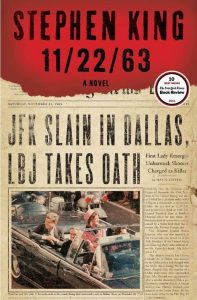 1.
1. Genre: Time travel, historical drama
Synopsis: A modern man discovers a portal to the late 1950s and becomes obsessed with preventing the assassination of John F. Kennedy. As he lives in the past, personal relationships complicate the mission in unexpected ways.
Why it works for non-horror readers: This novel is emotional, romantic, and reflective. The tension comes from human stakes, not fear, making it one of the most recommended Stephen King books for readers who avoid horror.
Notable adaptations: Hulu miniseries starring James Franco
Why 11/22/63 Isn’t a Horror Novel
 2. Billy Summers (2021)
 2.
2. Genre: Crime, literary thriller
Synopsis: Billy Summers is a professional hitman who only kills “bad people.” His final job requires him to pose as a novelist, forcing him to confront guilt, morality, and the limits of his own code.
Why it works for non-horror readers: This is a grounded crime novel with strong pacing and surprising emotional depth. It reads cleanly and avoids horror tropes entirely.
Notable adaptations: Film adaptation in development
 3. The Eyes of the Dragon (1984)
 3.
3. Genre: Fantasy
Synopsis: A medieval kingdom falls into chaos after a king is murdered and his son is framed for the crime. The story follows royal intrigue, betrayal, and a quiet rebellion.
Why it works for non-horror readers: Written in a straightforward, fairy-tale style, this is one of King’s least frightening books. It’s often recommended for younger readers or fantasy fans who want zero horror.
Notable adaptations: Frequently cited as a gateway fantasy novel
4. Fairy Tale (2022)
 4.
4. Genre: Fantasy, adventure
Synopsis: A teenage boy discovers a hidden fantasy world connected to an aging neighbor and a loyal dog. What begins as a rescue mission becomes a classic hero’s journey.
Why it works for non-horror readers: This book marked King’s return to full fantasy storytelling. While darker moments exist, the tone is adventurous and emotional, not frightening.
Notable reception: One of King’s strongest late-career fantasy novels
5. The Green Mile (1996)
 5.
5. Genre: Drama, magical realism
Synopsis: Set on death row in the 1930s, the novel follows a prison guard who encounters an inmate with mysterious healing abilities. The story explores compassion, injustice, and mercy.
Why it works for non-horror readers: This is a human drama first. Any supernatural element exists to deepen emotional impact, not to scare.
Notable adaptations: Academy Award–nominated film starring Tom Hanks
6. The Long Walk (1979)
 6.
6. Genre: Dystopian fiction
Synopsis: In a future America, teenage boys compete in a televised walking contest where slowing down means death. The last survivor wins everything.
Why it works for non-horror readers: The fear here is conceptual, not graphic. It’s a sharp critique of authoritarianism and media obsession.
Notable reception: Frequently ranked among King’s most disturbing ideas, not his scariest execution
7. Holly (2023)
 7.
7. Genre: Crime, detective fiction
Synopsis: Private investigator Holly Gibney investigates a missing-persons case during the COVID-19 pandemic, uncovering unsettling but grounded crimes.
Why it works for non-horror readers: This is a procedural mystery with moral complexity. The tension comes from realism and ethics, not supernatural horror.
Notable context: Strongly tied to its pandemic setting
8. Mr. Mercedes (2014)
 8.
8. Genre: Detective thriller
Synopsis: A retired police officer is taunted by a mass murderer who once killed with a stolen car. The story alternates between hunter and hunted.
Why it works for non-horror readers: While darker than other entries, it reads like a traditional crime novel. Readers sensitive to violence may prefer starting elsewhere.
Notable adaptations: Television series starring Brendan Gleeson
9. Different Seasons (1982)
 9.
9. Genre: Drama, coming-of-age
Synopsis: A collection of four novellas, including Rita Hayworth and Shawshank Redemption and The Body, both centered on friendship and resilience.
Why it works for non-horror readers: Two of King’s most famous non-horror stories live here. The tone is reflective, nostalgic, and deeply human.
Notable adaptations: The Shawshank Redemption and Stand By Me
 10. Lisey’s Story (2006)
 10.
10. Genre: Psychological drama
Synopsis: A widow processes grief while uncovering the private world she shared with her novelist husband. Memory, trauma, and love blur together.
Why it works for non-horror readers: This is an introspective book about marriage and mental health. It’s emotionally intense, not conventionally scary.
Notable adaptations: Apple TV+ miniseries
11. On Writing (2000)
 11.
11. Genre: Non-fiction, memoir
Synopsis: Part autobiography, part writing guide, King reflects on his life, habits, and creative philosophy.
Why it works for non-horror readers: There’s no fiction at all here. It’s one of the most approachable books for readers curious about King as a person.
Notable reception: Widely taught and recommended to writers
12. The Dark Tower (1982–2012)
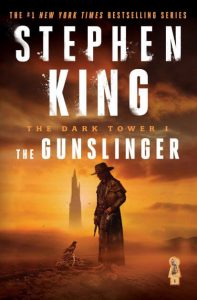 12.
12. Genre: Fantasy, sci-fi, Western
Synopsis: Roland Deschain journeys across a collapsing multiverse in search of the Dark Tower, the axis of reality.
Why it works for non-horror readers: This epic series is about destiny, friendship, and sacrifice. Horror elements exist, but they are secondary to mythic storytelling.
Notable impact: Central pillar of King’s wider fictional universe
 13. The Colorado Kid (2005)
 13.
13. Genre: Mystery
Synopsis: Two journalists investigate an unsolved death with no clear answers.
Why it works for non-horror readers: Short, quiet, and deliberately unresolved. Best for readers who enjoy mood over plot.
Notable adaptations: TV series Haven (loosely inspired)
14. Under the Dome (2009)
 14.
14. Genre: Science fiction
Synopsis: A small town is suddenly sealed off from the outside world by an invisible dome. Social order collapses quickly.
Why it works for non-horror readers: This is a large-scale social experiment more than a horror story. The threat is human behavior.
Notable adaptations: CBS television series
 15. The Stand (1978)
 15.
15. Genre: Post-apocalyptic, dystopian
Synopsis: A man-made virus wipes out most of humanity, leaving survivors divided between opposing moral forces.
Why it works for non-horror readers: This is an epic about good, evil, and rebuilding society. It does contain horror-adjacent scenes, but the core is philosophical and political.
Notable adaptations: Multiple miniseries
Stephen King Books Ranked by Scariness – from ☺️ to 😱
Honorable Mentions
These books don’t quite land in the main ranking, either because of length, tone, or light horror-adjacent elements. That said, they’re still strong options for readers who want Stephen King without leaning fully into fear.
 Elevation (2018)

Genre: Contemporary fiction, magical realism
Synopsis: A quiet, small-town story about a man who begins inexplicably losing weight without losing mass. As his condition progresses, it brings an unlikely group of people together.
Why it works for non-horror readers: This is one of King’s gentlest stories. It’s short, hopeful, and focused on empathy, friendship, and community rather than tension or fear.
Good to know: Because it’s a novella, it’s often recommended as a low-commitment introduction for hesitant readers.
The Institute (2019)

Genre: Science fiction, suspense
Synopsis: Children with telekinetic or telepathic abilities are kidnapped and imprisoned in a secret government facility. The story alternates between the children’s resistance and an outsider slowly uncovering the truth.
Why it works for non-horror readers: While intense, this book is driven by suspense and moral outrage rather than horror imagery. Readers who enjoy dystopian or sci-fi thrillers often find it compelling without being frightening.
Good to know: This pairs well with readers who liked Firestarter but want something more modern and polished.
 Firestarter (1980)

Genre: Science fiction, thriller
Synopsis: A young girl develops the ability to start fires with her mind after her parents are subjected to a government experiment. Federal agents pursue her, turning the story into a chase narrative.
Why it works for non-horror readers: Although sometimes labeled horror, the novel is more about government overreach and exploitation than fear. The tension comes from pursuit and paranoia, not monsters or gore.
Good to know: Readers sensitive to violence may want to preview this one, but many find it closer to sci-fi thriller than horror novel.
Short Stephen King Books for New Readers
Why Stephen King’s Non-Horror Work Matters
Stephen King’s reputation was built on fear, but his longevity comes from something else entirely: character. When horror is stripped away, what’s left is often his most precise and emotionally grounded writing. His non-horror books give him room to slow down, linger with people, and explore long arcs of consequence, grief, love, obsession, and moral compromise.
In these novels, King isn’t trying to unsettle the reader. He’s trying to understand them.
That’s why many longtime readers will quietly tell you that his strongest character work lives outside traditional horror. Prison guards wrestling with mercy. Children navigating loyalty and loss. Ordinary people discovering what they’re capable of under pressure. These stories aren’t powered by monsters. They’re powered by human behavior.
This breadth has been widely noted. As Fandom Wire has observed, King’s body of work extends well beyond horror into dystopian fiction, government critique, crime, and fantasy. That range is easy to miss if you only associate his name with fear, but it becomes obvious once you start reading outside that lane.
The cultural impact tells the same story. Some of the most acclaimed film adaptations of the past fifty years come from King’s non-horror writing. The Shawshank Redemption is routinely ranked among the greatest films ever made. Stand by Me remains a definitive coming-of-age story. The Green Mile is remembered for its compassion and emotional weight, not fear.
None of those stories rely on horror to work. They succeed because the characters feel real and the themes land.
For hesitant readers, this matters. Exploring King’s non-horror novels reframes him from a genre writer into what he has always been: a storyteller deeply interested in how people respond to power, loss, loyalty, temptation, and time. Once that shift happens, the question usually changes from “Can I read Stephen King without being scared?” to “What else have I been missing?”
Stephen King Movies Based on Non-Horror Books
Exploring Stephen King Beyond Horror
Stephen King’s reputation for horror is earned, but it’s also incomplete. Across decades of work, Stephen King has consistently crossed genres, blending historical fiction, crime, fantasy, science fiction, and deeply human drama in ways that few writers manage at this scale. That genre flexibility is a big reason his books are still widely read, adapted, and debated more than fifty years into his career.
For readers who have avoided his work out of fear, these non-horror novels offer a different entry point. They show the same strengths King is known for. Sharp observation. Memorable characters. Stories that stay with you. Just without the nightmares. Starting here often changes how people think about his entire catalog, not just the books on this list.
This guide will continue to evolve as new books are published and reader tastes shift. If you have a favorite non-horror Stephen King book that deserves a place here, or if there’s a title you think should be reconsidered, it’s worth revisiting in future updates. Readers looking to go deeper may also want genre-specific follow-ups, beginner reading paths, or comparisons that break down which books are truly safe for non-horror readers.
King’s work is bigger than one label. Exploring beyond horror is often where his storytelling feels most personal, most accessible, and most enduring.


0 Comments