

Why People Assume 11/22/63 Is Horror
Many readers see the name Stephen King and assume “horror” by default. Bookstore shelving, past adaptations, and decades of branding reinforce that expectation. It’s understandable, but in this case, it’s misleading. 11/22/63 is frequently misclassified because of the author, not because of its content.
People assume 11/22/63 is horror because Stephen King wrote it, not because the book uses horror tropes.
What Genre 11/22/63 Actually Belongs To
11/22/63 fits cleanly into three categories:
- Historical fiction (mid-20th-century America, cultural detail)
- Time-travel fiction (a single, controlled speculative device)
- Character-driven drama (relationships and moral consequence)
The time travel is a narrative tool, not a threat. It creates stakes and choices, not fear. There are no monsters, no gore, and no jump-scare tactics. The book’s engine is empathy and consequence.
The genre of 11/22/63 is historical time-travel drama, not horror.
What 11/22/63 Is About (Without Spoilers)
A high-school teacher discovers a portal that leads to the late 1950s and becomes fixated on preventing the assassination of John F. Kennedy. Living in the past, he builds relationships that complicate the mission and force him to weigh love against history.
The tension comes from choice and consequence. The story asks what happens when good intentions collide with reality.
It’s about changing history and living with the consequences, not about being scared.
What You Will Not Find in This Book
This section matters to readers who avoid horror. Here’s the plain-English list:
- No monsters
- No gore
- No jump scares
- No graphic violence
- No sustained dread or shock scenes
You won’t find traditional horror elements in 11/22/63.
Why Horror-Avoidant Readers Love 11/22/63
Readers who don’t enjoy horror often cite the same reasons for loving this book:
- A central love story that carries real emotional weight
- Rich historical immersion without sensationalism
- A slow, thoughtful pace focused on people, not threats
- A sense of melancholy and hope rather than fear
It’s commonly described as “the least Stephen King–like Stephen King book,” which, for many readers, is the highest praise.
How Scary Is 11/22/63, Really?
Short answer: It isn’t scary.
There are moments of suspense and a few unsettling ideas, but they’re brief and mild. If you can handle tension in historical fiction or a dramatic TV series, you’ll be fine.
Scariness scale (1–10): 1–2
That’s closer to emotional intensity than fear.
On a scariness scale, 11/22/63 ranks about a 1 or 2 out of 10.
How 11/22/63 Compares to Stephen King’s Horror Novels
Compared to books like It, The Shining, or Pet Sematary, the difference is immediate:
- Intent: horror novels aim to frighten; 11/22/63 aims to move
- Tone: reflective and romantic versus dark and menacing
- Reader experience: immersive and emotional rather than tense and alarming
If you’ve avoided King because of those titles, this book operates on a completely different wavelength.
Who Should Read 11/22/63 First
This book is an ideal starting point for:
- First-time Stephen King readers
- Readers who avoid horror or gore
- Fans of historical fiction and time-travel stories
- Book clubs looking for discussion-friendly novels
- Readers who enjoyed the TV adaptation
It may not be the best fit for readers who want fast pacing or constant action, but for most hesitant readers, it’s the safest introduction available.
Where 11/22/63 Fits in a Safe Stephen King Reading Order
If you’re building confidence with Stephen King, this book belongs at the very beginning.
A common comfort-first path looks like this:
- 11/22/63
- The Green Mile
- Different Seasons
- Fantasy or crime novels next, depending on taste
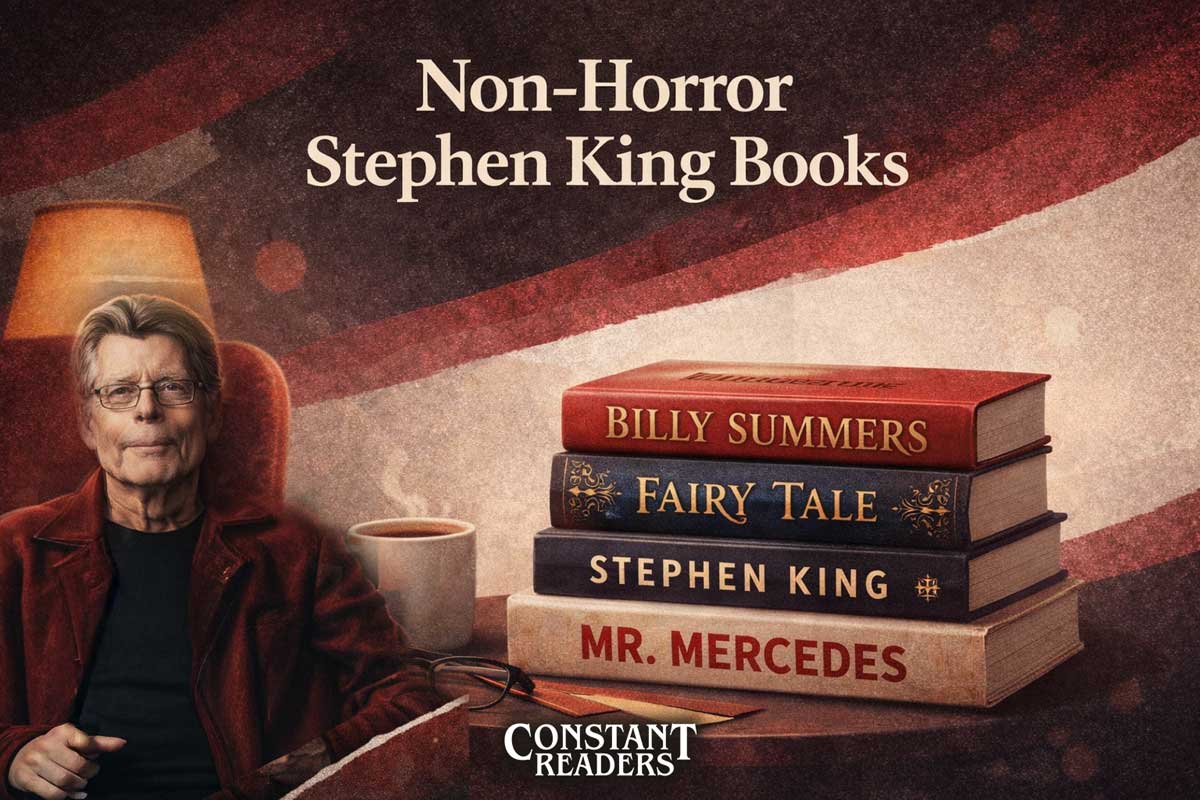
From there, a ranked guide to Stephen King’s non-horror books can help you explore further without stepping into unwanted territory.
Final Take: A Stephen King Book for People Who Don’t Like Stephen King
11/22/63 changes minds because it bypasses fear entirely. It shows Stephen King as a writer of intimacy, restraint, and emotional consequence. For many readers, it’s the book that proves they were never avoiding King’s writing, only a label that didn’t quite fit.
If you’ve been waiting for a reason to try Stephen King without the horror, this is it.

0 Comments