

Stephen King’s reputation as the master of horror often eclipses his substantial and influential work within the fantasy genre. While the sprawling, genre-bending Dark Tower series is certainly his crowning achievement in fantasy storytelling, King’s catalog is rich with other imaginative narratives. His ventures into fantasy range from epic quests and medieval adventures to magical realism and urban fantasy, all underscored by his distinctive narrative voice and profound understanding of human nature. This analysis delves deeply into King’s broader contributions to fantasy, highlighting the nuances, themes, and distinct approaches he employs across multiple novels and stories beyond The Dark Tower.
Fantasy Beyond The Tower: King’s Diverse Approaches
Fantasy in King’s work encompasses not just traditional medieval or epic fantasy, but also urban and contemporary magical realism. Novels such as The Eyes of the Dragon, The Talisman, and its sequel Black House, and standalone tales like Insomnia, Rose Madder, and Lisey’s Story all demonstrate his remarkable versatility.
The Eyes of the Dragon (1987): A Traditional Epic
King’s The Eyes of the Dragon stands uniquely apart within his oeuvre. Conceived originally as a story written for his daughter Naomi, who disliked his usual horror themes, this novel is King’s most straightforward venture into traditional fantasy. Set in the fictional medieval kingdom of Delain, the story involves classic fantasy elements—kings, princes, castles, magicians, and conspiracies.
In a clear nod to traditional fairy tales, King crafts a story of betrayal and redemption centering around two royal brothers, Peter and Thomas, manipulated by Flagg, a villain recurring across King’s universe. Flagg, embodying evil and chaos, orchestrates the imprisonment of Peter, a heroic, morally upright figure. King’s strength here is in how he builds suspense through character interactions and court intrigue rather than overt supernatural horror.
Despite its apparent simplicity, The Eyes of the Dragon showcases King’s exceptional character-driven storytelling. It also functions as a key point within his literary multiverse, subtly connecting to other works—particularly through the malevolent Randall Flagg, who reappears in The Stand and The Dark Tower series, establishing a broader mythos.
The Talisman (1984) and Black House (2001): A Blend of Realities
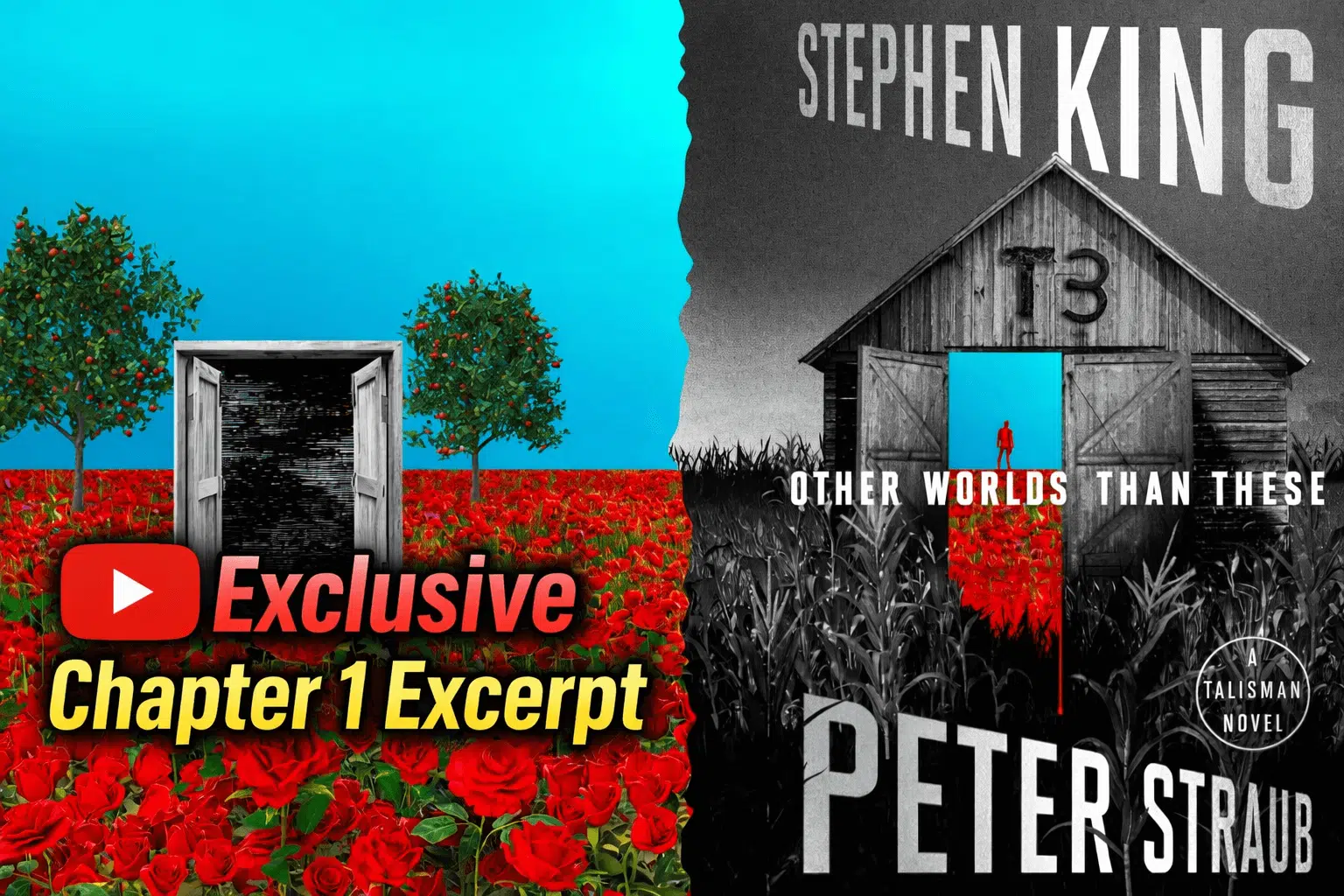
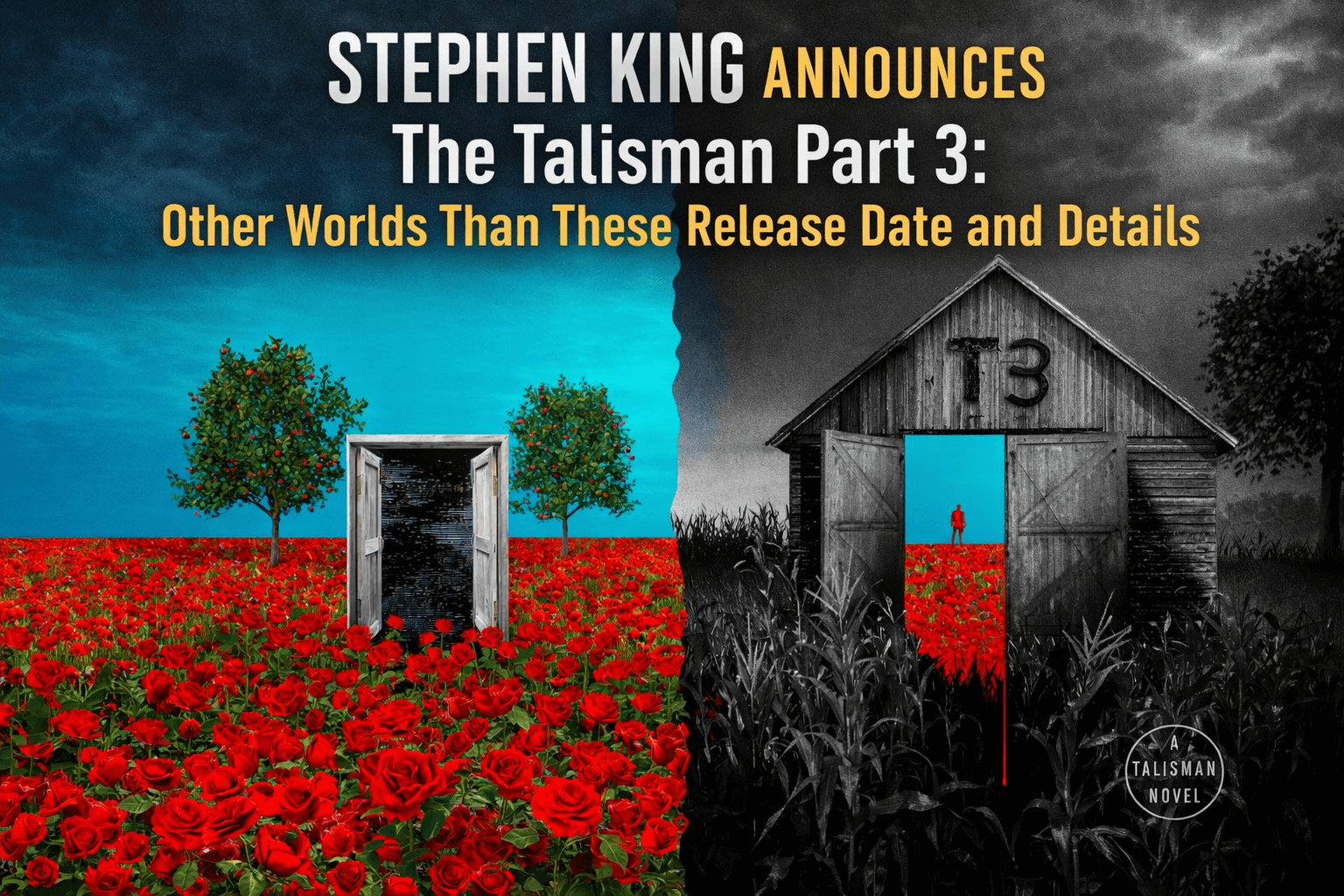
Co-authored with Peter Straub, The Talisman and its sequel Black House are significant contributions to fantasy literature, bridging epic quest fantasy and contemporary realism. These novels explore parallel worlds and alternate realities, underscored by deeply human themes of loss, courage, and redemption.
The Talisman follows twelve-year-old Jack Sawyer, who journeys across America and a parallel universe called the Territories to retrieve a magical talisman capable of saving his dying mother. King’s partnership with Straub creates an intricate blend of styles, merging King’s grounded, relatable characterizations with Straub’s rich, lyrical prose.
What sets The Talisman apart is its emotional depth. Jack’s experiences reflect a coming-of-age story set against a backdrop of extraordinary fantasy adventures, combining mythic archetypes with contemporary emotional realism. The dual worlds mirror and distort each other, exploring themes of identity and duality, a common motif in King’s fantasy works.
The 2001 sequel, Black House, revisits Jack as an adult. Here, fantasy intertwines with dark crime fiction, delving into the heart of horror and suspense, yet maintaining a strong fantasy foundation. This narrative blurs genres further, intertwining elements of supernatural fantasy, detective noir, and psychological horror, proving King’s unparalleled skill in cross-genre storytelling.
Insomnia (1994): Urban Fantasy and Metaphysical Exploration
King’s Insomnia is a fantasy novel situated firmly within his own familiar territory—the fictional town of Derry, Maine. Yet, despite its familiar setting, Insomnia introduces readers to a profound urban fantasy exploring metaphysical themes, supernatural entities, and the complexities of fate and destiny.
Protagonist Ralph Roberts begins experiencing strange visions after developing chronic insomnia, allowing him to perceive supernatural auras and beings called “the Little Doctors,” who exist between planes of reality. This nuanced, layered approach explores death, morality, and cosmic balance, demonstrating King’s philosophical approach to fantasy.
What makes Insomnia remarkable is how King uses fantasy not merely for escapism but to explore deeply existential questions about human life and its meaning. The book intersects directly with the mythology of The Dark Tower, adding layers of complexity and further establishing King’s interconnected literary universe.
Rose Madder (1995): Feminist Fantasy and Magical Realism
In Rose Madder, King tackles fantasy through magical realism, using fantastical elements symbolically to address real-world issues, notably domestic violence and trauma recovery. The novel centers on Rosie Daniels, who escapes an abusive marriage and finds solace in a mysterious painting that leads her into a surreal, mythic world.
The fantastical dimension in Rose Madder serves as both an escape and an empowerment metaphor, representing Rosie’s psychological and emotional journey toward strength and autonomy. King’s delicate handling of fantasy here exemplifies how speculative fiction can be leveraged to amplify profound social messages, blending magical elements with stark realism in compelling ways.
Lisey’s Story (2006): Fantasy as Emotional Healing
King’s novel Lisey’s Story dives deep into magical realism, blending reality with vivid fantasy elements. The novel revolves around Lisey Landon, widow of famous novelist Scott Landon, who discovers a fantastical hidden dimension called Boo’ya Moon, central to her late husband’s creative process and personal traumas.
This novel stands out as deeply personal, reflecting King’s own near-death experience and emotional intimacy. Through Boo’ya Moon, King explores grief, love, creativity, and the transformative power of imagination. Fantasy in this work is intimately bound to emotional healing, memory, and personal reconciliation, showcasing a unique emotional depth rarely seen in conventional fantasy narratives.
Fairy Tale (2022): A Return to Classic Fantasy
King’s recent novel Fairy Tale reaffirms his adeptness in traditional fantasy storytelling. It narrates the journey of Charlie Reade, a teenager who discovers a portal to another world beneath an old man’s shed. This novel clearly draws inspiration from classic fantasy tropes—mythical creatures, epic quests, battles between good and evil—while infused with King’s modern sensibilities.
In Fairy Tale, King demonstrates mastery of classic fantasy tropes—heroic quests, lost kingdoms, and magical beings—yet maintains originality by grounding the narrative in relatable, contemporary characters. King’s nuanced exploration of loyalty, courage, and redemption makes this novel a poignant tribute to traditional fantasy storytelling, reminding readers of his versatility across genre lines.
Fantasy in Short Form: King’s Novellas and Short Stories
Beyond novels, King’s fantasy storytelling thrives in shorter narratives. Collections like Different Seasons and Four Past Midnight contain stories that blur lines between fantasy, horror, and magical realism. The novella The Langoliers, for instance, combines speculative fantasy with suspenseful science fiction, exploring mysterious entities devouring the past—a concept distinctly fantastical yet deeply psychological.
Fantasy Themes in King’s Work
Across these diverse works, consistent themes emerge, showcasing King’s unique imprint upon the fantasy genre:
-
Parallel Worlds: From The Talisman to Insomnia, King’s fascination with alternate realities serves to examine human duality and moral ambiguity.
-
Magic as Metaphor: Fantasy in King’s novels often symbolizes deeper emotional and psychological truths. His stories use the fantastic to illuminate internal human struggles.
-
The Complexity of Good and Evil: King’s fantasy characters rarely embody absolute moral binaries. Instead, he explores morality with depth, reflecting human complexity.
-
Interconnected Universes: His fantasy worlds often intersect, enhancing a sense of realism and depth, rewarding readers with richer storytelling experiences.
King’s Fantasy Legacy
King’s expansive fantasy catalog significantly influences contemporary storytelling. His narratives have paved the way for genre-blending storytelling, emphasizing emotional authenticity alongside imaginative escapism. Contemporary authors, screenwriters, and artists frequently acknowledge King’s impact on their approach to speculative fiction.
His literary creations remind readers that fantasy can be profoundly meaningful, exploring human truths through imaginative worlds. Stephen King’s fantasy works are not mere diversions; they represent thoughtful explorations of human nature and existential themes, profoundly enriching the fantasy genre itself.
In the end, Stephen King’s fantasy writing, encompassing much more than the renowned Dark Tower series, reflects an expansive, deeply nuanced body of work that has significantly shaped contemporary fantasy literature. Through a variety of narrative approaches—from epic traditional quests and contemporary magical realism to profound philosophical fantasy—King continues to reveal the remarkable breadth and depth of his storytelling imagination.

0 Comments