

Stephen King Wrote Fantasy? Yes, and It’s Some of His Best Work
When most people hear Stephen King, they think horror. Haunted hotels. Killer clowns. Nightmares. What gets overlooked is that King has also written some genuinely excellent fantasy, stories driven by quests, kingdoms, destiny, and moral choice rather than fear.
These books aren’t horror in disguise. They’re fantasy first. The focus is adventure, character, and meaning. For readers who like epic journeys but avoid being scared, this side of King’s catalog is often a revelation.
What Makes a Stephen King Fantasy Novel Different
Stephen King’s fantasy doesn’t look like encyclopedic worldbuilding or dense magic systems. Instead, it’s:
- Character-first: people matter more than lore
- Emotion-driven: love, loyalty, sacrifice, regret
- Grounded: even fantastical worlds feel human and lived-in
Just as important is what you won’t find. These books do not rely on gore, jump scares, or sustained horror. Dark moments may appear, but fear is never the point.
Stephen King fantasy reads closer to classic fairy tales and mythic journeys than to modern horror.
The Best Stephen King Fantasy Books (Ranked for Accessibility)
These are the core fantasy novels most often recommended to readers who want Stephen King without horror. They’re ordered from safest entry point to biggest commitment.
 The Eyes of the Dragon (1984)
 The Eyes of the Dragon (1984)
Fantasy type: Classic high fantasy
Overview: In a medieval kingdom, a young prince is framed for his father’s murder and imprisoned while an evil advisor tightens his grip on power.
Is it scary? No.
Why it works: This book was written in a clean, fairy-tale style with younger readers in mind. There are no horror elements at all.
Best for: Fantasy readers who want the safest possible Stephen King starting point.
 Fairy Tale (2022)
 Fairy Tale (2022)
Fantasy type: Portal fantasy / modern fairy tale
Overview: A teenage boy discovers a hidden fantasy world connected to an aging neighbor and a loyal dog, setting off a classic hero’s journey.
Is it scary? Mildly dark in places, but not frightening.
Why it works: This marked King’s return to pure fantasy. The story leans into adventure, loyalty, and sacrifice rather than fear.
Best for: Readers who enjoy immersive quests and emotional storytelling.
The Dark Tower (1982–2012)
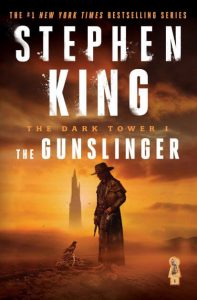 The Dark Tower (1982–2012)
Fantasy type: Epic fantasy blended with Western and sci-fi
Overview: Roland Deschain, a lone gunslinger, travels a collapsing multiverse in search of the Dark Tower, the axis that holds reality together.
Is it scary? It varies. Some volumes are darker than others, but horror is not the driving force.
Why it works: At its core, this is a long-form myth about destiny, friendship, and obsession.
Best for: Readers ready for a big, ambitious series with emotional payoff.
Is The Dark Tower Horror?
The Dark Tower is often mislabeled as horror because of its author and a few darker moments. In reality, it’s best understood as fantasy with occasional horror-adjacent scenes, not a horror series.
The tone shifts across books. Some entries feel like classic quest fantasy. Others lean more philosophical or surreal. Fear is never the main objective.
If you can handle dark themes but don’t enjoy being scared, most of the series is manageable, especially if you ease into it.
Fantasy Without Fear: How Scary Are These Books Really?
For readers who want a clear answer, here’s the plain-language breakdown:
- The Eyes of the Dragon: 1/10
- Fairy Tale: 2–3/10
- The Dark Tower: ranges from 3–6/10 depending on the book
That variability is why many readers start with The Eyes of the Dragon or Fairy Tale before deciding whether to tackle The Dark Tower.
Which Stephen King Fantasy Book Should You Start With?
If you want the shortest path to the right choice:
- Want the safest entry with zero fear? Start with The Eyes of the Dragon.
- Want a modern, emotional adventure? Choose Fairy Tale.
- Want an epic, interconnected series? Begin The Dark Tower when you’re ready for a commitment.
There’s no wrong order. The key is matching the book to your comfort level.
How These Fantasy Books Connect to King’s Wider Universe
King’s fantasy novels share themes with his broader work: fate, free will, sacrifice, and the cost of obsession. Some characters, ideas, and places echo across books, especially in The Dark Tower.
That said, you do not need to read any horror novels to understand or enjoy these stories. Each stands on its own. Connections add depth, not requirements.
Fantasy Readers Who’ll Love These Books
These novels tend to resonate with:
- Fans of Tolkien, Lewis, or classic fantasy
- Readers who enjoy quest narratives and moral choices
- Book clubs looking for non-horror speculative fiction
- Teen and adult readers who want adventure without fear
They’re often recommended to readers who thought Stephen King “wasn’t for them.”
Where to Go Next
If you enjoyed this fantasy-focused guide, check out:
- beginner-only Stephen King guide without horror
- ranked list of Stephen King’s best non-horror books
- Is this Stephen King book scary?
Together, these make it easy to explore King’s work without crossing into territory you’d rather avoid.
Stephen King as a Fantasy Storyteller
Stephen King’s fantasy novels aren’t side projects or curiosities. They’re confident, emotionally rich stories that stand comfortably alongside his more famous work. For readers who want adventure, myth, and meaning without fear, this corner of his catalog is one of the most rewarding places to start.
You don’t need to like horror to enjoy Stephen King. His fantasy proves it.

0 Comments